The seed produces a fixed oil, by cold pressing or other innovative techniques. The oil content is 35.6% to 41.6%.
The fatty acid composition is fairly homogeneous. These are mainly polyunsaturated (55-60%: majority linoleic acid) and monounsaturated (20-25%: majority oleic acid) fatty acids. The proportion of saturated fatty acids is 15-20% (mainly palmitic and stearic acids).
The unsaponifiable fraction of the fixed black seed oil consists mainly of sterols (around 2.9 g/kg on average) with mainly the following usual compounds: β-sitosterol (around 50%), stigmasterol, campesterol.
Minority sterols are present (Δ5-avenasterol, Δ7-stigmasterol, Δ7-avenasterol).
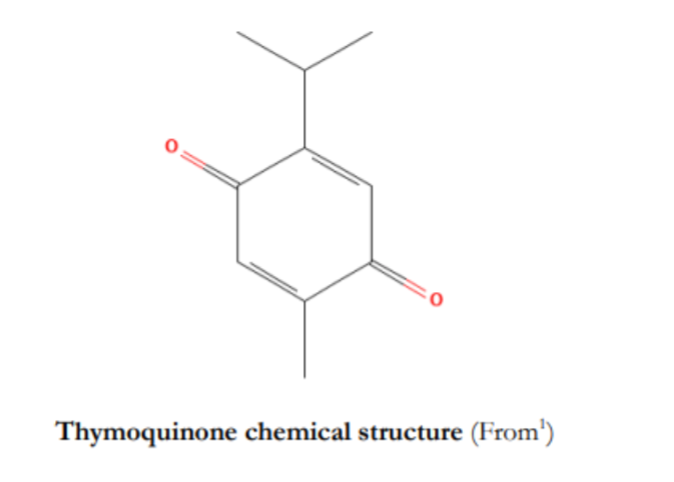
The unsaponifiable also contains vitamin E, carotenoids, nigellone, and traces of alkaloids. We also find constituents of essential oil (EO), the content of which is subject to the conditions of production and conservation, in addition to the variability of the plant material (for the record, the constituents of EO have by definition a volatile nature. ). We find in particular Thymoquinone (TQ), the majority bioactive which will interest us more particularly. This is unfortunately only very weakly quantified in the Nigella oils present today on the food supplement and cosmetics market with very variable contents ranging from 0.07% to 1.88%.
The seed contains alkaloids in small quantities including Nigellicimine, Nigellimine, Nigellimine N-oxide, Nigellidin and nigellione and Flavonoids including quercetin and kaempferol. Several pentacyclic triterpene genin saponosides are present, including α-hederin.
The biological activities of nigella are not linked to these less abundant compounds, however their contribution to the antimicrobial activities of seed extracts is however mentioned.
Finally, we find proteins of the order of 16 to 19%, insoluble fibers of 5.5 to 8.9%, and minerals mainly: Calcium, Copper, Potassium, Zinc and Phosphorus.